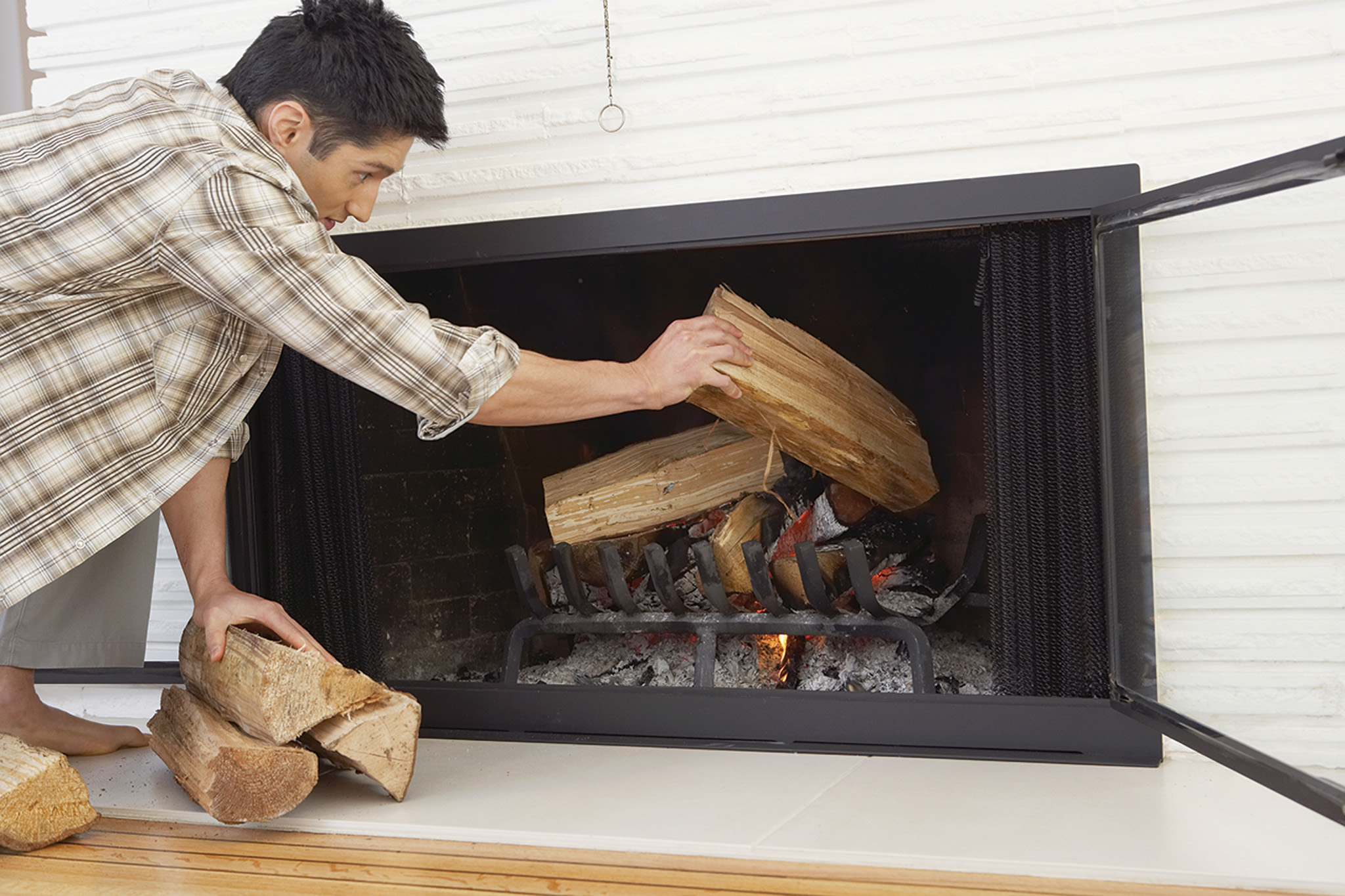
Fall is here and winter is coming in Island, San Juan, Skagit, and Whatcom counties. If you burn wood for home heating, the Northwest Clean Air Agency encourages you to limit or avoid burning to protect air quality and the air we all breathe from harmful smoke.
One of the big dangers of smoke from the fires you use to heat your home is the too-tiny-to-see particles that you can inhale deeply into your lungs, where they damage delicate tissues.
The risks from wood smoke include:
Respiratory Issues: Wood smoke can cause coughing, wheezing, and asthma attacks, leading to serious health problems like bronchitis and lung disease.
Cardiovascular Risks: Prolonged exposure is linked to heart attacks, strokes, and other cardiovascular conditions. But anyone can be harmed by breathing in smoke.
Vulnerable Populations: Children, the elderly, and individuals with pre-existing health conditions are at greater risk from wood smoke exposure.
Mental Health Effects: There are associations between wood smoke exposure and mental health issues, including increased likelihood of developing conditions like dementia.
Environmental Impacts: Wood smoke contributes to air pollution, adding harmful particles and gases to the atmosphere, which can exacerbate climate change.
If you burn wood for heat, make sure you use only clean, dry wood to limit smoke that can impact you and others. Dry wood burns hotter, so you get more heat and use less wood than burning wet wood. So burning dry wood saves you money.
If you have another source of heat, such as a ductless heat pump, use that instead of burning any wood at all.
Check out these videos on the importance of limiting smoke and your exposure to it:
Fire safety – https://bit.ly/3dbEsvE
Burning dry wood v. burning wet wood – https://bit.ly/3ts0ZeD
Wet wood is a waste – https://bit.ly/2KGXP62
Get the best burn from your firewood – https://bit.ly/3HRUBnP
For more information on wood heating, see NWCAA’s website: https://nwcleanairwa.gov/.
You can also find information about best practices for burning wood at https://www.epa.gov/burnwise.